Introduction
The world of work has undergone a seismic shift in recent years, largely driven by technological advancements and changing workplace dynamics. Remote work is no longer the exception; it’s the rule. But with this transformation comes a set of challenges, particularly in communication. Enter VoIP Phone Systems—the unsung heroes of modern remote work communication. This article will take a deep dive into how VoIP phones can revolutionize the way we communicate while working from home or anywhere else outside traditional office walls.
What is a VoIP Phone System?
VoIP stands for Voice over Internet Protocol, and it allows users to make voice calls using the internet instead of traditional phone lines. A VoIP Phone System converts your voice into digital signals, sending them over the internet to reach your call recipient. This technology has not only improved communication efficiency but has also reduced costs for businesses and individuals alike.
How Does VoIP Technology Work?
So, how does this high-tech wizardry actually work? When you speak into a VoIP phone, your voice is transformed into data packets that zip through the internet at lightning speed. These packets are then reassembled on the other end, delivering your voice with crystal clarity. The beauty lies in its flexibility—whether you’re using a dedicated VoIP phone, a smartphone app, or even a computer, you can connect from virtually anywhere.
Why Choose VoIP Over Traditional Phone Systems?
With traditional phone systems becoming as outdated as dial-up internet, why should businesses consider switching to VoIP? Here are some compelling reasons:
Cost-Effectiveness: Lower monthly bills and minimal installation fees. Scalability: Easily add or remove lines as your business needs change. Flexibility: Use your phone system on multiple devices—perfect for remote work. Advanced Features: From voicemail-to-email to video conferencing capabilities.The Role of VoIP Phones in Remote Work
Remote work isn’t just about wearing pajamas all day; effective communication is vital for productivity and team cohesion. This is where VoIP Phones shine.
Enhanced Communication Quality
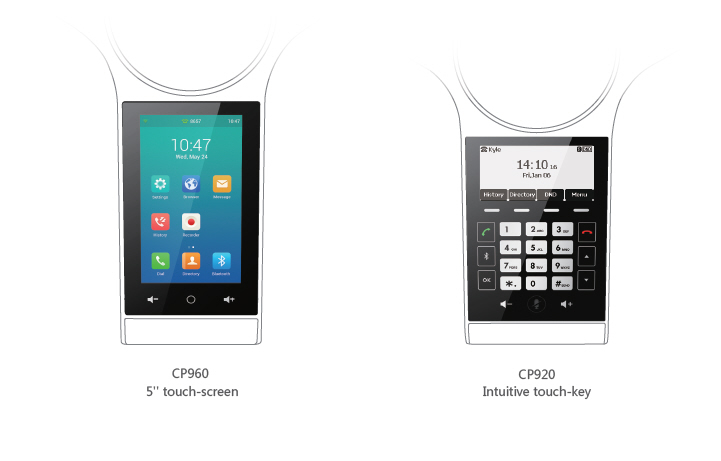
Imagine having a conversation that sounds like you’re sitting across the table rather than miles apart! With VoIP technology, call quality is often superior to that of traditional landlines due to higher bandwidth capabilities.
Integration with Collaboration Tools
Many VoIP systems integrate seamlessly with tools like Slack, Zoom, or Microsoft Teams. This means you can switch from chatting to calling with just one click—a huge win for remote teams who need quick solutions.
Global Reach Without Breaking the Bank
Need to make an international call? No problem! With VoIP phones, long-distance charges are significantly lower compared to traditional https://ameblo.jp/eduardouoit990/entry-12879556348.html phone services.
Understanding Key Features of VoIP Phone Systems
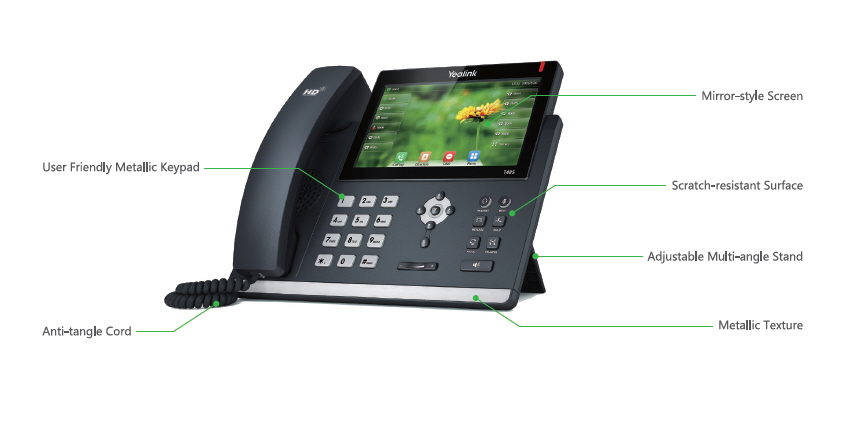
To truly appreciate how these systems transform communication, let’s break down some key features:
1. Call Forwarding and Routing
Never miss an important call again! Calls can be forwarded to any device—your mobile phone or even another team member’s desk phone.
2. Virtual Receptionist
This nifty feature greets callers with a professional message and directs them accordingly—like having a personal assistant without the salary!
3. Conference Calling Capabilities
Gather your team virtually without needing everyone in one room! With built-in conference calling features, meetings become easier than ever.
4. Call Analytics and Reporting
Want data-driven insights on your communications? Many VoIP systems offer analytics that can help identify trends and areas for improvement.
How VoIP Phones Can Improve Team Collaboration
Effective collaboration is essential for any successful remote team. Let’s explore how VoIP phones enhance teamwork:
Seamless Communication Channels
Say goodbye to endless email threads! With instant messaging capabilities integrated into many VoIP systems, teams can communicate quickly without losing context.
Screen Sharing Features
Need to show someone what you mean instead of explaining it? Screen sharing makes it easy during calls—a game changer for presentations or technical support sessions.
Mobile Accessibility Anywhere You Go
With mobile apps available for most VoIP systems, team members can stay connected regardless of location—be it coffee shops or coworking spaces!
Choosing the Right VoIP Phone System for Your Team
Selecting the perfect system can feel overwhelming given all the options out there. Here are some points to consider when making your choice:
Evaluate Your Needs
What does your team require daily? Assess call volume and required features before committing.
Consider Integration Options
Does it play nicely with tools already in use? Compatibility is key for smooth workflows.
Customer Support Availability
In case something goes wrong (and let's face it—the tech gremlins always strike), having reliable customer support can save you headaches later on.
Common Misconceptions About VoIP Phones
Even though they're gaining popularity by leaps and bounds, there are still misconceptions surrounding VoIP Phone Systems. Let’s debunk some myths:
1. “VoIP Is Only for Big Businesses”
Not true! Small businesses can also benefit immensely from switching to a robust VoIP Phone System tailored to their needs.
2. “Quality Is Always Poor”
While quality depends on internet speed and bandwidth, many providers offer exceptional clarity that rivals landlines!
3. “VoIP Isn’t Secure”
Modern encryption methods have made VoIP communications highly secure against eavesdropping and hacking attempts—so rest easy!
How To Get Started With A VoIP Phone System
Ready to jump on board? Here’s how you can get started smoothly:
1. Research Providers
Take time comparing different providers based on features offered vs prices charged—it’ll pay off!
| Provider Name | Pricing | Key Features | |---------------|---------|--------------| | Provider A | $20/mo | Call forwarding | | Provider B | $25/mo | Video conferencing | | Provider C | $30/mo | Mobile app access |
2. Test Out Free Trials
Most companies offer free trials —take advantage of these before committing!
3. Train Your Team
Once you've chosen your provider ensure everyone knows how things work! Schedule training sessions if necessary—it’ll save frustration down the line.
The Future of Communication: Trends in Remote Work
As we look towards the future let’s discuss emerging trends shaping remote working environments:
- Increased reliance on AI-driven customer service via voice bots Enhanced focus on cybersecurity measures due increased risk online Greater integration between communications platforms (think amalgamation!)
These trends will undoubtedly influence how we communicate moving forward—keeping us adaptable remains crucial!
FAQs About How VoIP Phones Can Transform Remote Work Communication
Q1: What are some advantages of using a VoIP Phone System?
A1: Advantages include cost savings, scalability, flexibility across devices and advanced features like video conferencing capabilities.
Q2: Are there any downsides associated with VoIP Phones?
A2: Potential downsides might include dependency on internet connectivity; however reliability improves continually due technological advances!
Q3: How secure is my information when using VoIP?
A3: Modern encryption methods significantly bolster security against unauthorized access providing much-needed peace-of-mind!
Q4: Can I use my existing phone numbers with a new VoIp Phone System?
A4: Yes! Most providers offer porting services allowing users retain their current numbers during transition process smoothly!
Q5: What type of internet connection do I need?
A5: While DSL works fine; ideally opt fiber-optic connections ensuring best possible experience without hiccups during calls!
Q6: Are there any hidden costs associated with switching?
A6: Be sure read contracts closely avoid surprises—but generally setup fees tend be minimum compared traditional services overall savings usually offset initial investment quite nicely!
Conclusion
In closing this exploration into how VoIp Phones Can Transform Remote Work Communication, it’s clear that embracing this technology offers countless benefits—from enhanced clarity in conversations down improved collaboration amongst teams far-flung across distances! As we continue adapting our workflows around evolving circumstances worldwide understanding potential inherent within innovative solutions like these will pave paths toward more streamlined efficient operations across industries alike moving forward together brighter days ahead await us all indeed!